Looking for the latest information on Dicom Standards Application Explained? We've gathered comprehensive data, records, and insights about Dicom Standards Application Explained.
Core Information
Explore the key sources for Dicom Standards Application Explained.
History
Stay updated on Dicom Standards Application Explained's latest milestones.
What is DICOM
DICOM Basics for the Technologist
36: DICOM standard for pathology annotations. Why do we need it w/ David Clunie, PixelMed Publis...
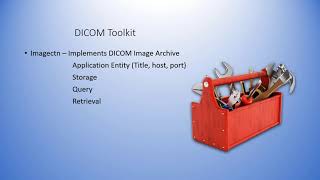
Basic DICOM 2025
DICOM (What it is and Why it is important for Radiology)!
S7E02 - Decoding DICOM: The Evolution of Image Compression in Medical Imaging
What is DICOM | Quick Explanation
DICOM Standard and Structure Basics
DICOM, HL7, FHIR: Medical Data Standards Explained
What is a DICOM Conformance Statement
What is DICOM | vs HL7 in the Radiology Workflow
Expert Insights
Data is compiled from public records and verified media reports.
Last Updated: October 14, 2026
Final Thoughts
For 2026, Dicom Standards Application Explained remains one of the most talked-about information profiles. Check back for the newest reports.
Disclaimer: Disclaimer: All information is compiled from publicly available data, media reports, and analysis. Actual details may vary.
Summary
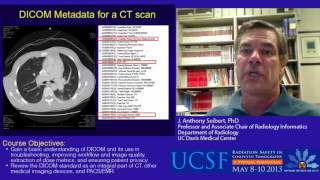
For the non-IT professional, this is a presentation for the healthcare professionals to gain a working knowledge of Introduction to DICOM - An Overview This video provides a beginner's Medical Imaging Informatics - Overview of Physicians are occasionally confronted with the prospect of whether or not their x-rays are in In all of the acronyms associated with x-ray, The UCSF Virtual Symposium on Radiation Safety in CT, provides a wealth of information and new perspectives on the topic of ... Send us Fan Mail ( buzzsprout.com/410071/fan_mail/new) The Digital Imaging and Communications in Medicine ... Radiography Physics Mastery — $2.99 on Kindle amazon.com/dp/B0G99BTFFR Ever been handed a patient's CT scan on a CD-ROM and wondered why medical systems struggle to communicate? The problem ...